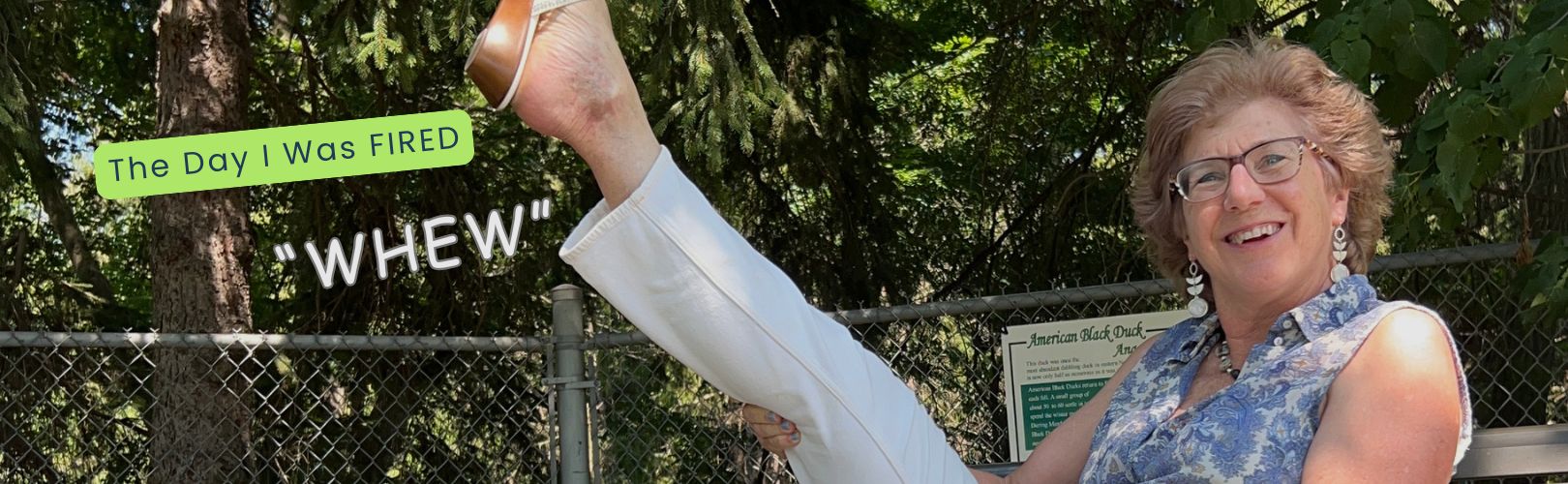
In 2008, I lost a contract.
My manager called me into his office.
“Come in. Close the door.”
I already knew what was coming.
After he finished explaining why they were letting me go, I wiped my hand across my forehead and said:
“Whew.”
He looked at me in complete surprise.
“Why ‘Whew’?”
I smiled and shook my head.
“Because sometimes you know when something isn’t working.”
When the real problem is bigger than the person
When I accepted the contract, I was told we would work together.
Instead, I found myself trying to untangle a role with no one to fully explain.
There was little documentation and no real handoff. The person sitting beside me became the unwilling default. She had already trained two people before me, and neither had stayed. By the time I arrived, she was understandably frustrated.
The underlying problem was not simply the person doing the job.
The problem was that important knowledge had never been properly captured or transferred.
Becoming a “Forensic Administrator”
I did what I had learned to do in similar situations.
I became what I jokingly called a Forensic Administrator.
I followed the clues.
I reviewed files, emails, spreadsheets and fragments of information. I asked questions. I pieced together how the job actually worked and documented what I learned as I went along.
That documentation became a Position Guidebook.
Before I left, I explained what I had uncovered and handed the guide to my manager.
“You can let me go today, but the real problem will still be here tomorrow.”
“I’ve done my best to leave this role in a better position, so the next person doesn’t have to struggle the way I did.”
I think he was genuinely shocked.

What getting fired taught me
Looking back, I do not remember that day primarily as the day I got fired.
I remember it as the day I understood something about myself.
I have never been motivated by simply getting the job done.
I have always wanted to leave things better than I found them.
Whether I was working as an executive assistant, consulting, or running my own business, I found satisfaction in making life a little easier for the next person.
Sometimes that happens through documentation.
Sometimes it happens through a conversation.
Sometimes it is simply a matter of sharing what you have learned so someone else does not have to begin at zero.
That experience taught me that success is not always measured by whether you stay.
Sometimes success is measured by what you leave behind.
Leaving Corporate After 50 Raises a Different Question
If you’re thinking about leaving corporate after 50 – or you’ve recently made that transition – you may be asking:
How do I carry everything I have learned into what comes next?
If you’re still deciding whether independent work is the right next chapter, you may also enjoy Starting a Business After 50, where I explain why experience alone isn’t enough — you also need the right structure.
Experienced professionals rarely lack knowledge, capability or insight.
The difficulty is that years of expertise do not automatically translate into a clearly structured independent business, offer or market position.
Your experience is still valuable.
In fact, many experienced professionals discover that their expertise doesn’t automatically translate once they leave the structure of corporate work.
But outside the environment in which it was developed, it may need to be understood, organized and expressed differently.
This is why I often begin with Strategic Orientation — understanding what your experience actually represents before trying to package or market it.
Is your experience getting lost in translation?
The Capability Trap explores why experienced professionals can have decades of valuable expertise yet still struggle to translate it into a clear independent offer.
It will help you recognize what is already present in your experience – and why clarity must come before packaging, positioning or promotion.
What did you leave behind?
Sometimes the most valuable thing you leave behind isn’t your work. It’s the way you made the work easier for everyone who came after you.
Have you ever walked away from a role knowing you had done everything you reasonably could?
Perhaps you created a process, documented knowledge, supported a colleague, solved a problem or made the path easier for whoever came next.
What did you leave behind?
I would genuinely value hearing your perspective.
Frequently Asked Questions About Leaving Corporate After 50
Can getting fired become a positive turning point?
It can. Job loss is often difficult, but it can also confirm something you already sensed: the role, environment or working relationship was no longer functioning well. With time and reflection, the experience may reveal what matters to you and what you want to carry forward.
How do I know when a corporate role is no longer working?
Common signs include unclear expectations, repeated structural problems, poor knowledge transfer, ongoing frustration and a growing sense that your effort cannot resolve the underlying issue. Recognizing that a system is not working is different from assuming you have personally failed.
For a deeper explanation, read Strategic Orientation.
How can I prepare to leave corporate?
Begin by identifying the knowledge, strengths, patterns and problem-solving capabilities you have developed across your career. Do not start by immediately turning them into services. First understand what you know, how you work and where your experience creates value.
Why is it difficult to translate corporate experience into an independent business?
Corporate expertise often develops inside a specific role, company or system. Once you leave, the structure that made your value visible disappears. The challenge is not a lack of expertise. It is learning how to organize and express that expertise clearly in a new context.
What is The Capability Trap?
The Capability Trap describes what happens when deep, transformation-level expertise is reduced to services that are easier to explain but do not represent the full value of the professional providing them. The guide helps experienced professionals begin recognizing and addressing that gap.
Get your copy of The Capability Trap.
If this story resonated with you, you’ll find more articles, interviews and practical resources in my Media Library covering career transition and business strategy, building your next chapter and positioning your expertise for independent practice.
Cheryl Scoffield
Business Structure Strategist | Certified Kajabi Specialist
I work with experienced experts 50+ at distinct moments – from positioning your expertise for independent practice, to LinkedIn positioning and to implementation – depending on where clarity already exists.
Helping experienced professionals translate expertise into opportunity.